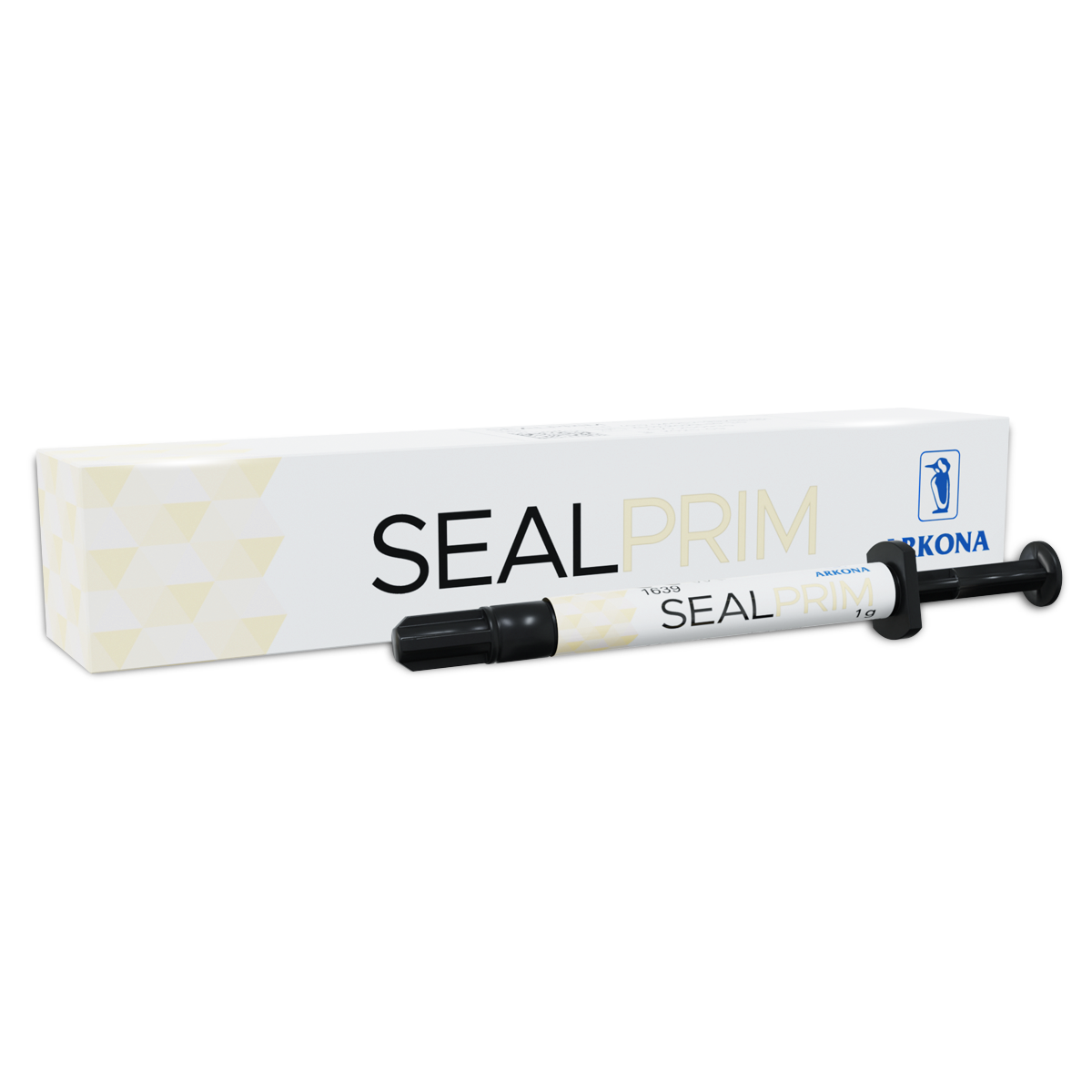


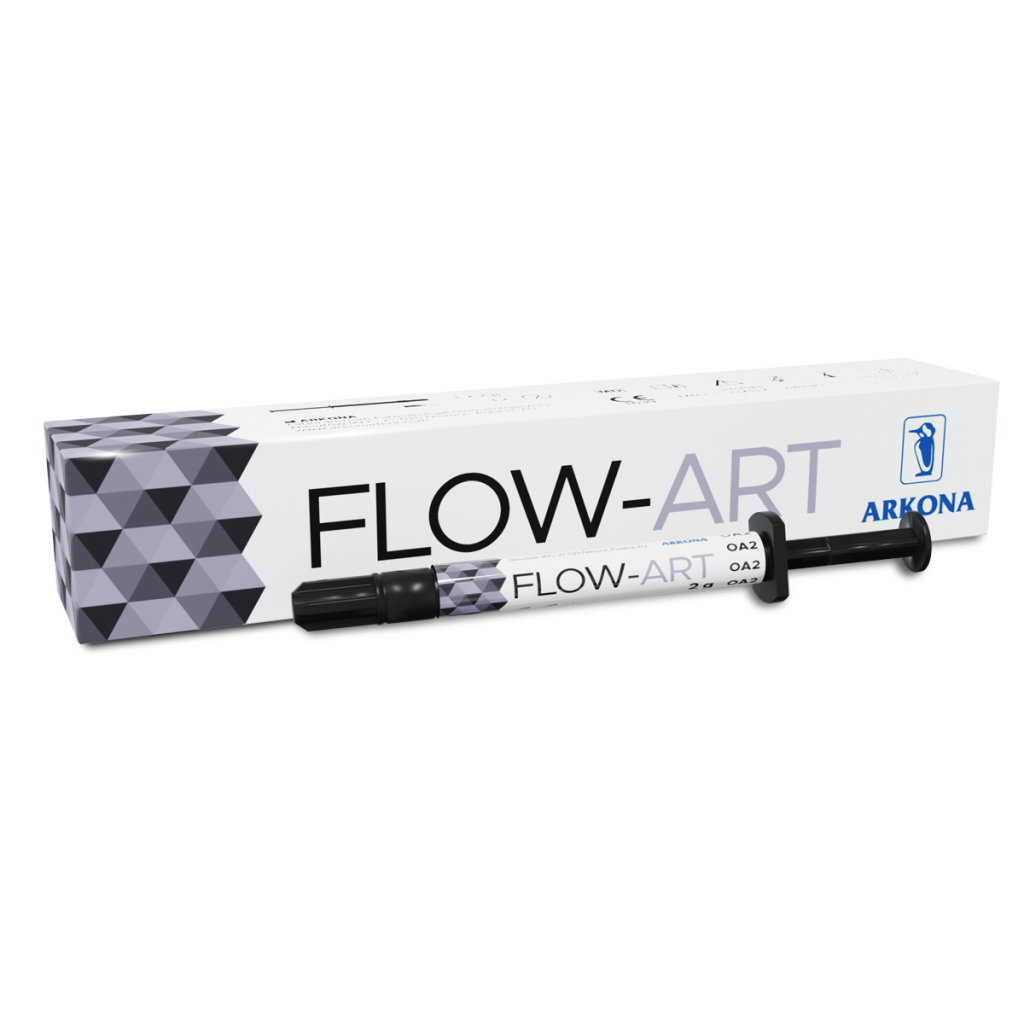


We carry out small fillings. In order to save time, we use flowable composites for small restorations and quickly flood and expose the cavity. We use FLOW-ART to fill shallow and extensive cavities in particular.
We carry out partial large fillings. In areas where aesthetics are less important, time is of the essence, e.g. in dead teeth, to shorten the filling, FLOW-ART will quickly restore the tooth tissue. In such cases, only the occlusal surface, to the anatomical shape, is modelled with a ‘paste’ type composite.
We fill hard-to-reach areas. Far in the posterior teeth and distally, deep in the moulding area, inconvenient or inaccessible parts of the restoration are filled with flowable composite. We shorten the distance until FLOW-ART reduces the depth of the cavity so that the overlayers can be used comfortably.
We stabilise teeth, periodontally loosened or due to traumatic reasons. We use FLOW-ART as a first layer under fibres that require composite, e.g. CHORDS or SHAPECORDS. Depending on your needs, these will be permanent or temporary splints. We cover the finished splint with FLOW-ART composite to restore the aesthetics of the teeth, to increase the smoothness of the finished splint and to protect the fibres from the harmful effects of the oral environment.
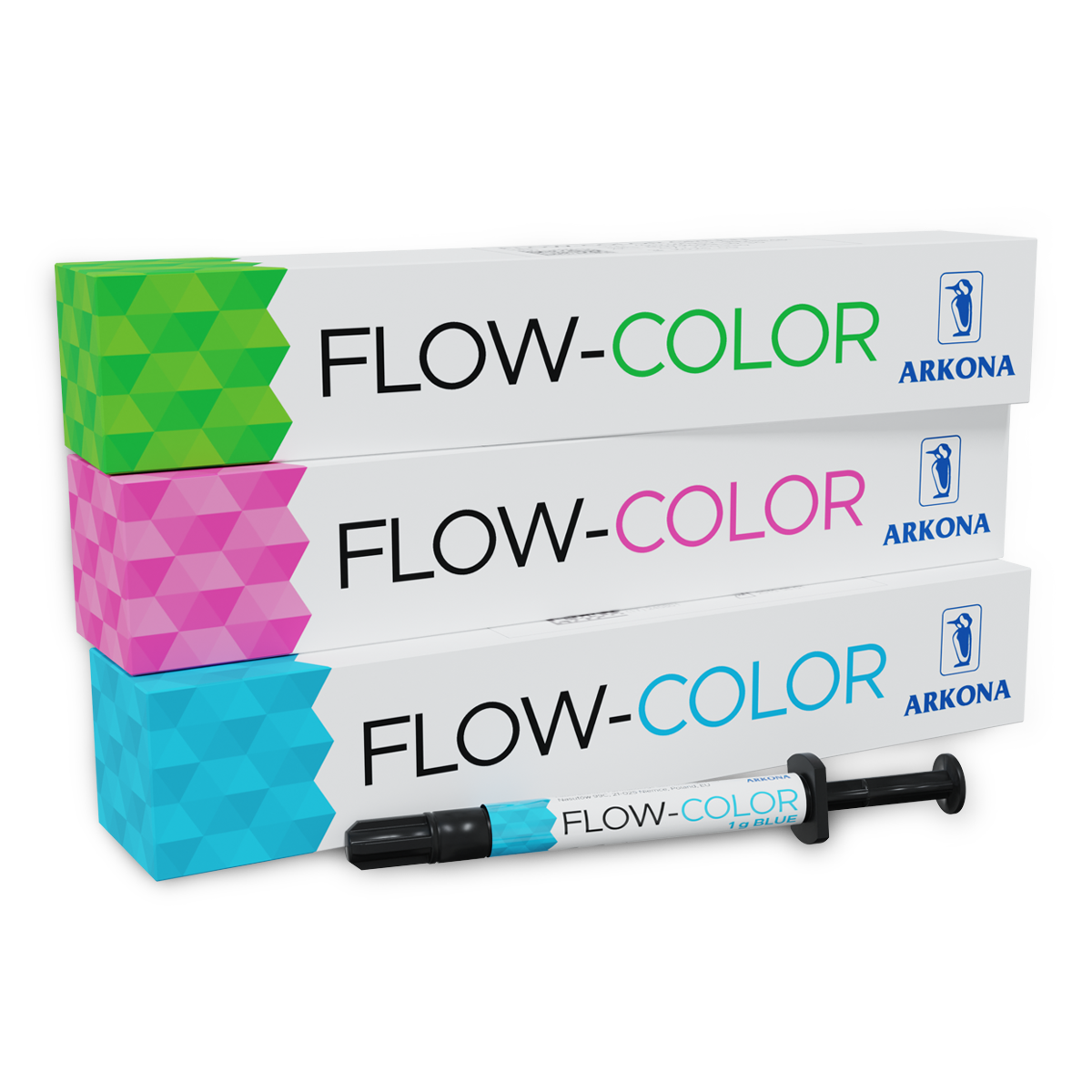
We obtain gingival colours. FLOW-ART mixed with pink or red FLOW-COLOR, or other, non-dental colours of FLOW-COLOR and COLOURANT composites, which allows to obtain the correct gingival colour or the colour necessary to under-colour the veneer surfaces.
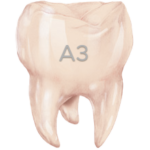
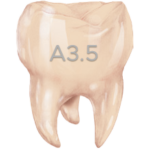
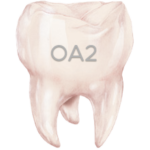
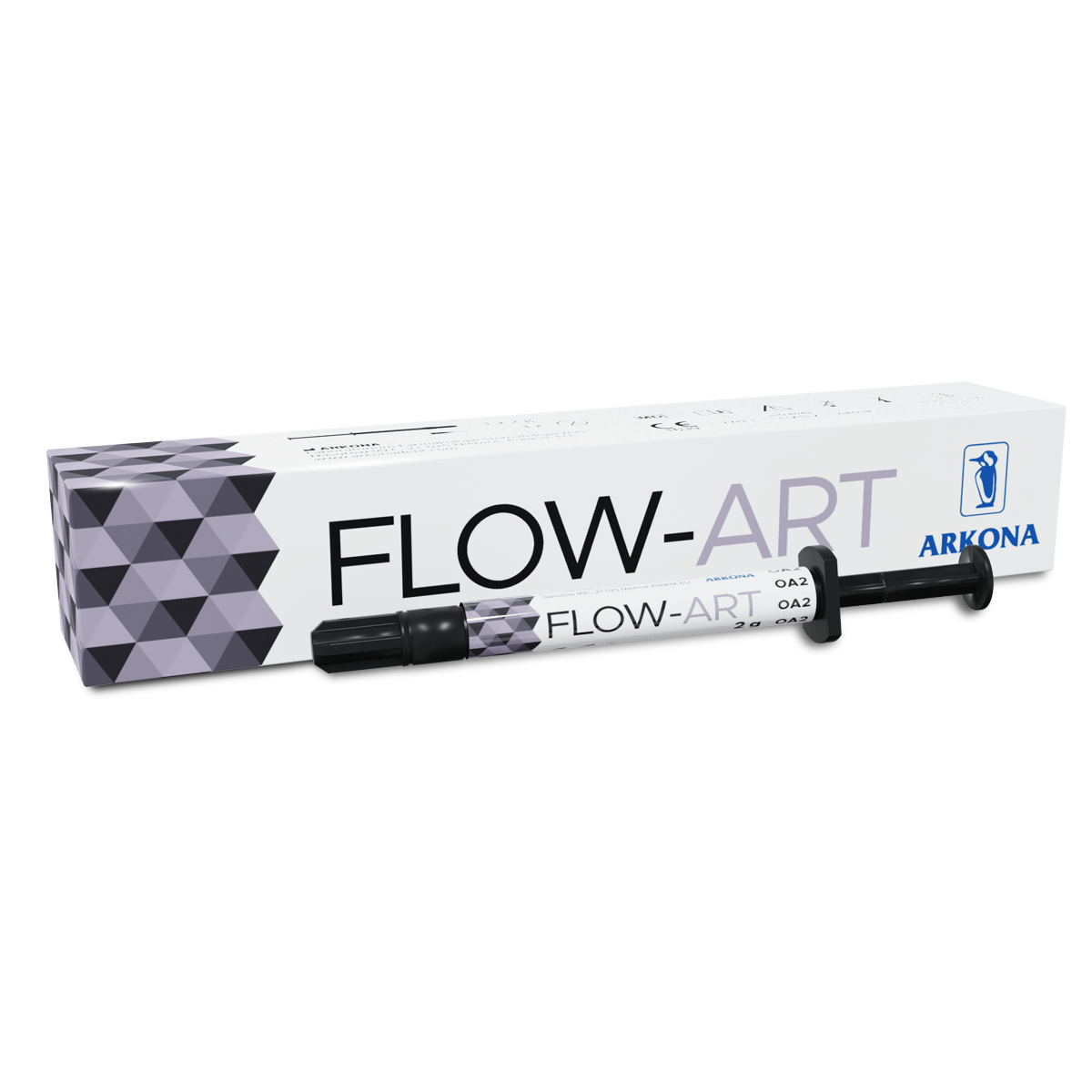
Syringe 2g
What consistency does FLOW-ART have?
FLOW-ART is a flow-type composite with medium to high density/viscosity.
Does FLOW-ART provide contrast on X-ray images?
FLOW-ART composite provides contrast on X-ray. All ARKONA composites provide contrast on X-ray.
Is the filler content in FLOW-ART comparable to the competition?
The mineral filler content in the FLOW-ART ARKONA composite is approximately 62% by weight of the composite and is similar to the filler content in other quality-recognized polymer materials for flow reconstructions.
What is the polymerization shrinkage of FLOW-ART?
The polymerization shrinkage of FLOW-ART composites is approximately 2.8%, which is a value similar to other good flow composites available on the market.
Why increase the mechanical strength of FLOW-ART?
Thanks to increased mechanical strength, works made using the FLOW-ART composite can withstand greater loads.
Can FLOW-ART composite be used to fill a large cavity in a molar?
FLOW-ART can be used to fill cavities of classes I, II, III, IV and V according to Black. It can be used to quickly fill cavities before final modeling of chewing surfaces with hard composites. It is used as the first layer when making fillings in situations of limited access to the cavity, e.g. very deep class II, as well as for small or shallow cavities.
When filling large cavities in the molar with “flow” composites, it is important to remember to properly prepare the surface of the cavity, apply the composite in thin layers (which is related to higher polymerization shrinkage in comparison to paste-type (hard) composites). It is also worth noting that during irradiation, the temperature increases significantly (due to the large proportion of resins in the composition).
Is FLOW-ART suitable for restoring front teeth?
FLOW-ART can be used to fill class I, II, III, IV and V cavities according to Black. It can therefore be used to rebuild front teeth, including staining.
Can ARKONA composites be used with any bonding system?
All ARKONA composites can be used with any bonding systems. We recommend using V generation systems.